Are you dreaming of a lush garden filled with fresh vegetables, fragrant herbs, and vibrant flowers, all while living in a limited space? You’re not alone.
Many people are discovering the benefits of permaculture, a sustainable gardening method that can transform even the smallest plots into productive, eco-friendly spaces. Imagine stepping into your backyard and picking ripe tomatoes, fragrant basil, and crisp lettuce, all thriving together harmoniously.
You’ll learn how to implement permaculture principles in your small garden, making the most of your space while nurturing the environment. From choosing the right plants to understanding the importance of soil health, we’ll guide you through practical steps that can lead to a flourishing garden oasis. Get ready to dig in and discover how you can create a small, yet bountiful, permaculture garden that brings joy and nourishment to your life. Your green thumb journey starts here!

Credit: www.youtube.com
Garden Design Principles
Designing a small garden with permaculture principles is both fun and rewarding. It focuses on efficiency, productivity, and sustainability. Each design principle plays a crucial role in creating a thriving garden. Let's explore the key principles of permaculture garden design.
Zoning For Efficiency
Zoning helps organize your garden space. It divides areas based on plant needs and human activity. Place high-maintenance plants close to your home. This reduces travel time during garden tasks. Reserve the farthest zones for low-maintenance plants.
Consider sun and shade patterns. This way, plants receive their ideal light. Group plants with similar water needs together. This makes watering easier and more efficient. Zoning enhances productivity and reduces effort.
Layering Plants For Productivity
Layering plants creates a diverse and productive garden. Use vertical space by planting tall, medium, and low-growing plants. This maximizes sunlight and space. Tall plants can provide shade for smaller ones. Choose plants that benefit each other.
For example, combine legumes with taller crops. Legumes enrich the soil with nitrogen. This benefits their neighbors. A layered approach can yield more food in less space. It also attracts beneficial insects.
Creating Microclimates
Microclimates are small areas with unique climate conditions. They can be warmer, cooler, or more humid than surrounding areas. Use walls, fences, and plants to create these zones. This helps protect sensitive plants from harsh weather.
Consider placing heat-absorbing materials like stones or bricks. They can retain heat and release it at night. This is especially useful for growing tender crops. By creating microclimates, you can extend your growing season.

Credit: livingpermaculturepnw.com
Soil Health Strategies
Permaculture in a small garden focuses on creating sustainable ecosystems. It promotes biodiversity and efficient use of resources. Simple techniques like companion planting and mulching enhance soil health while yielding fresh produce year-round. This approach is ideal for urban gardeners seeking to maximize their limited space.
Soil health is the foundation of any thriving garden, especially in a small space where every inch counts. Healthy soil supports robust plant growth, enhances nutrient uptake, and fosters a vibrant ecosystem. By employing effective soil health strategies, you can transform your small garden into a sustainable paradise.
Composting Basics
Composting is a simple yet powerful way to enrich your soil. It turns kitchen scraps and garden waste into nutrient-dense organic matter. Start by collecting vegetable peelings, coffee grounds, and yard waste. Make sure to balance green materials (like grass clippings) with brown materials (like dried leaves). This balance helps create the right environment for beneficial microorganisms. After a few months of turning your pile, you'll have rich compost ready to mix into your soil. Have you ever tried composting? The satisfaction of seeing your waste turn into food for your plants is incredibly rewarding.
Benefits Of No-dig Gardening
No-dig gardening is a method that promotes soil health without disturbing it. By layering organic materials on top of the soil, you protect its structure and the organisms living within. This approach minimizes erosion and retains moisture. I started using this technique in my own garden last year. I noticed not only healthier plants but also a significant reduction in weeds. Plus, it saves time—less digging means more time enjoying your garden. Consider trying no-dig methods in your small garden. How might your plants thrive if you let the soil do its job without interference?
Using Organic Mulch
Mulching is another effective strategy for maintaining soil health. Organic mulch, like straw, wood chips, or shredded leaves, helps retain moisture and suppress weeds. As it breaks down, it adds valuable nutrients back into the soil. I remember the first time I mulched my vegetable beds; the difference was remarkable. The soil remained moist during dry spells, and my plants flourished even in the heat of summer. Think about incorporating mulch into your gardening routine. What type of organic material can you easily access to give your plants the boost they need? By focusing on these soil health strategies, you can create a thriving ecosystem in your small garden. Your plants—and the environment—will thank you.
Water Management Tips
Effective water management is essential in permaculture for small gardens. Using techniques like rainwater harvesting, mulching, and strategic plant placement helps conserve moisture. These methods promote healthy plants while reducing water waste, making gardens more sustainable and productive.
Water management is a critical aspect of permaculture, especially in a small garden. Efficient use of water not only conserves this precious resource but also promotes a thriving ecosystem. Here are some practical water management tips you can implement in your garden.
Rainwater Harvesting
Collecting rainwater is one of the simplest and most effective ways to manage water in your garden. Consider installing rain barrels under your downspouts. A typical rain barrel can hold around 50 gallons of water, which can significantly reduce your dependence on municipal water. You can use this harvested rainwater for watering plants, cleaning tools, or even washing your vegetables. Just remember to cover your barrels to prevent mosquito breeding. Implementing a basic filtration system can help ensure that the water stays clean. A simple mesh screen can keep debris out, while a fine filter can remove smaller particles.
Setting Up Swales
Swales are shallow, contoured ditches designed to slow down and capture water runoff. By strategically placing swales in your garden, you can direct water to where it’s needed most. This method promotes infiltration, reducing erosion and increasing soil moisture. You can easily create swales with a shovel and some planning. Position them on contour lines to maximize their effectiveness. Planting native vegetation along the swales can enhance their function and beauty. Plus, it provides habitat for beneficial insects.
Drip Irrigation Systems
Drip irrigation is a water-efficient way to keep your plants hydrated. This system delivers water directly to the plant roots, minimizing evaporation and runoff. You can set up a simple drip irrigation system with a few materials. Look for a kit that includes tubing, emitters, and connectors. Adjust the emitters to suit the specific needs of your plants. For example, leafy greens may need more frequent watering than herbs. Regular maintenance is crucial. Inspect your system periodically for clogs or leaks to ensure optimal performance. How do you currently manage water in your garden? Taking these steps can not only enhance your garden’s productivity but also contribute to a sustainable future.
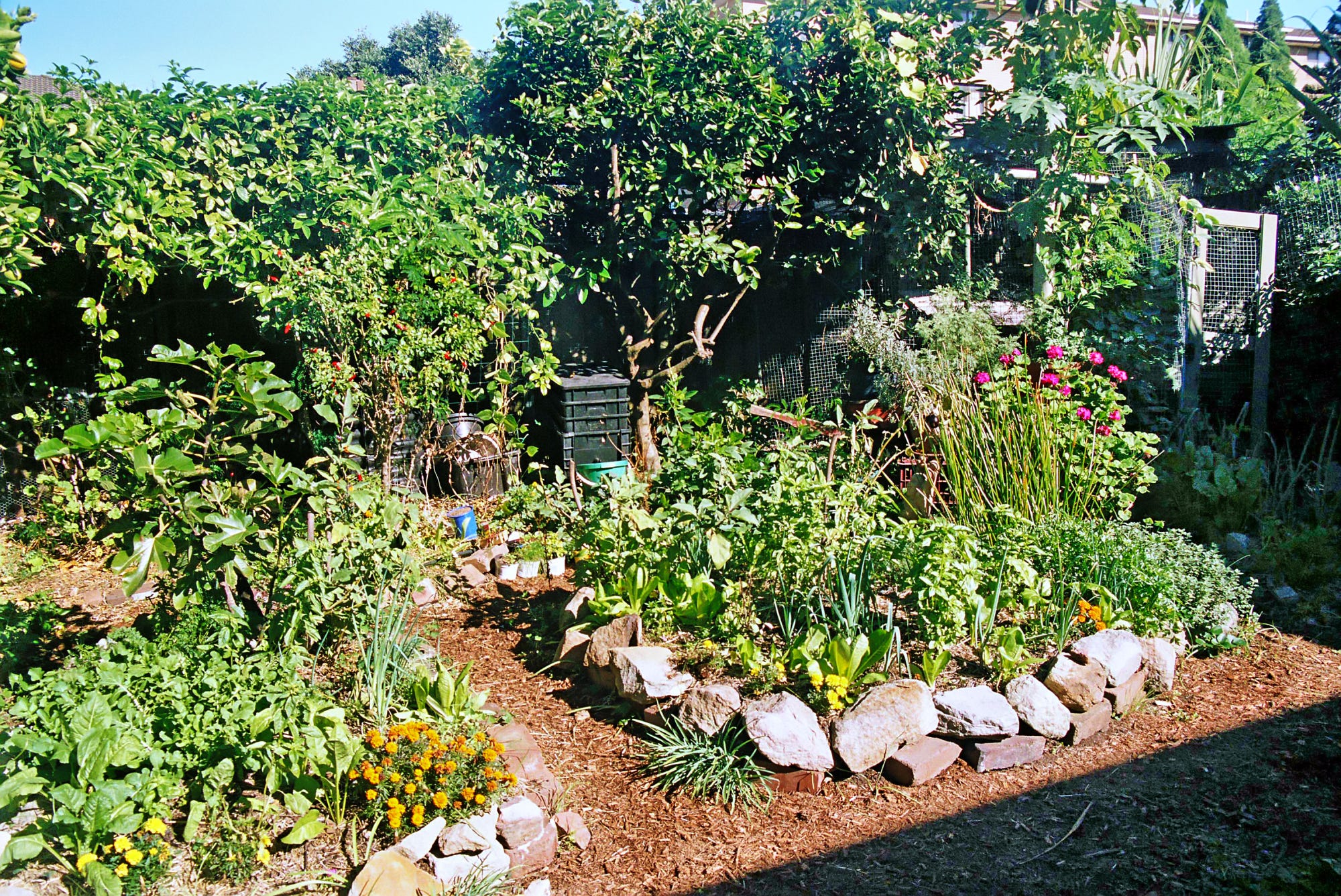
Credit: medium.com
Small-space Solutions
Permaculture in a small garden creates a sustainable, productive space. By using principles like companion planting and efficient water management, even limited areas can yield fresh produce. Embracing this method transforms compact plots into thriving ecosystems that benefit both the gardener and the environment.
Creating a productive garden in a small space can feel challenging, but there are effective strategies that make it possible. You can transform even the tiniest outdoor area into a flourishing permaculture haven with some creativity and planning. Let's explore small-space solutions that maximize your garden's potential while minimizing your footprint.
Vertical Gardening
Vertical gardening is a game-changer for small spaces. By growing plants upward rather than outward, you can save valuable ground area. - Use trellises, wall planters, or even repurposed pallets to support climbing plants like tomatoes and cucumbers. - Consider hanging pots for herbs and flowers, which not only look beautiful but also free up space below. Imagine the satisfaction of picking fresh beans from a vertical garden while enjoying a morning coffee. Have you ever thought about how much you could grow in a vertical setup?
Container Planting
Container planting allows for flexibility and creativity in your garden design. You can use a variety of containers, from traditional pots to repurposed buckets or even wooden crates. - Choose containers that suit your space and aesthetic. - Ensure they have proper drainage and are placed where they’ll receive adequate sunlight. With container planting, you can easily rotate crops and adjust your layout as needed. It’s a fantastic way to experiment with different plants. Have you tried growing herbs in your kitchen window?
Herb Spiral Design
The herb spiral design is a unique and efficient way to cultivate a diverse range of herbs in a compact area. This structure creates microclimates, allowing you to grow various herbs that thrive in different conditions. - Build a spiral using stones or bricks, with a higher center and gradually lower edges. - Plant moisture-loving herbs like mint at the bottom and drought-tolerant ones like rosemary at the top. This design not only looks stunning but also encourages biodiversity. Plus, having fresh herbs on hand can elevate your cooking. What herbs do you find yourself reaching for most in your culinary adventures? Each of these small-space solutions can help you design a thriving permaculture garden. By thinking creatively and maximizing your space, you can enjoy the fruits of your labor right outside your door.
Integrating Animals
Integrating animals into a small garden can enhance the ecosystem. Animals contribute to soil health, pest control, and overall productivity. This practice aligns well with permaculture principles. It creates a balanced environment for plants and wildlife.
Chickens In The Garden
Chickens are excellent companions for a small garden. They eat pests like insects and weeds. Their scratching behavior helps aerate the soil. This action promotes healthy root growth for plants. Chickens also provide nutrient-rich manure. This waste can be composted or directly used in the garden. Ensure they have a safe area to roam. This way, they can benefit the garden without causing harm.
Beneficial Insects
Encouraging beneficial insects is vital in a permaculture garden. Ladybugs, lacewings, and parasitic wasps are great examples. They help control harmful pest populations. Planting flowers attracts these helpful insects. Diverse plants create a welcoming habitat for them. Avoid using chemical pesticides. This protects both plants and beneficial insects. A thriving insect population promotes natural pest control.
Compost From Animal Waste
Animal waste is a valuable resource for composting. It enriches the soil with nutrients. Chicken, rabbit, and horse manure are excellent options. Composting this waste reduces odors and pathogens. Mix animal waste with brown materials like leaves or straw. This balance creates a healthy compost. Use this compost to nourish your plants. It supports a sustainable garden ecosystem.
Seasonal Planting Guide
The Seasonal Planting Guide is an essential tool for anyone looking to maximize their small garden's productivity through permaculture principles. By understanding when to plant specific crops, you can ensure a steady harvest throughout the year. This guide focuses on three key aspects: choosing hardy perennials, implementing crop rotation, and tips for year-round harvesting.
Choosing Hardy Perennials
Hardy perennials are the backbone of any permaculture garden. They return year after year, requiring less effort and resources. Consider planting herbs like rosemary and thyme, or vegetables such as asparagus and rhubarb.
These plants not only save you time but also enrich your soil. Deep-rooted perennials help with soil structure and nutrient cycling. Have you ever noticed how much easier it is to maintain a garden filled with reliable perennials?
Crop Rotation For Small Spaces
Crop rotation is vital in preventing soil depletion and managing pests. Even in small gardens, rotating crops can make a significant difference. Try grouping your plants into families and changing their locations each season.
In spring, plant legumes to fix nitrogen in the soil.
In summer, follow with leafy greens that thrive on that nitrogen.
In fall, introduce root vegetables that can benefit from the nutrients left behind.
By observing which plants thrive together, you can create a balanced ecosystem. It's exciting to see how your garden adapts with each rotation, isn't it?
Year-round Harvest Tips
To achieve a year-round harvest, consider planting a mix of early, mid, and late-season crops. Start with cold-tolerant veggies like kale and spinach in the cooler months. As temperatures rise, switch to warm-season crops like tomatoes and peppers.
Utilizing season extension techniques, such as row covers or cold frames, allows you to extend your growing season. You might even find that some of your favorite crops can be grown in unexpected months!
Have you ever tried interplanting different crops? This can maximize space and yield while minimizing pest issues. With a little planning, your small garden can provide fresh produce throughout the year.
Challenges And Solutions
Starting a permaculture garden in a small space can be tough. Many face challenges like budget limits and limited space. Finding solutions helps to create a thriving garden.
Budget-friendly Approaches
Permaculture does not have to be expensive. Start small with seeds instead of plants. Use recycled materials for garden beds. Old pallets can be transformed into vertical gardens.
Compost from kitchen scraps reduces waste and enriches soil. Look for free resources like local gardening groups. Share tools and seeds to cut costs.
Overcoming Space Constraints
Small gardens require creative planning. Utilize vertical gardening techniques to maximize space. Hanging plants and wall planters add greenery without taking up ground space.
Consider companion planting. This method uses space wisely and boosts plant health. Raised beds can also make gardening easier in limited areas.
Educational Resources For Beginners
Learning about permaculture is crucial. Books and online courses offer great insights. Community workshops provide hands-on experience.
Join local gardening clubs for support and advice. Connect with experienced gardeners to share knowledge. Online forums can also help solve specific problems.
Frequently Asked Questions
What Is A Disadvantage Of Permaculture?
A disadvantage of permaculture is the initial learning curve. Many people lack knowledge and resources to implement effective practices. Transitioning to permaculture can require time, effort, and investment, which may deter some farmers from adopting these sustainable methods.
What Is The First Rule Of Permaculture?
The first rule of permaculture emphasizes the importance of caring for the earth. This principle ensures sustainable practices that protect and enhance natural ecosystems. By prioritizing ecological health, permaculture aims to create a harmonious relationship between humans and the environment.
What Is The Minimum Land Required For Permaculture?
The minimum land required for permaculture is typically around 1/10 of an acre. However, effective permaculture can thrive in smaller spaces, even on balconies or small gardens. The key is to implement smart design principles and utilize vertical space efficiently.
How Do I Start A Permaculture Garden From Scratch?
To start a permaculture garden from scratch, observe your environment first. Select plants suited to your climate. Design an efficient layout for your space. Construct raised beds for planting. Introduce your chosen plants. Mulch to retain moisture and suppress weeds.
Finally, add compost to enhance soil health.
Conclusion
Creating a permaculture garden in a small space is rewarding. It allows you to grow food sustainably and efficiently. By using natural methods, you improve your soil and attract beneficial wildlife. Each small step contributes to a healthier ecosystem. Embrace the principles of permaculture to maximize your garden's potential.
Start with simple designs and gradually expand your knowledge. Enjoy the process of learning and growing. A thriving garden can flourish in even the tiniest of spaces. Dive in and watch your small garden transform into a productive oasis.