Are you tired of seeing your lawn or garden suffer from fertilizer burn?
That frustrating brown, scorched look doesn’t just spoil your plants’ beauty—it can also stunt their growth and waste your time and money.
But what if you could avoid all that damage with a simple, smart approach?
You can protect your green spaces and help them thrive without the risk of over-fertilizing. In this post, you’ll discover easy-to-follow tips that anyone can use to prevent fertilizer burn. Plus, you’ll learn about a powerful tool that takes the guesswork out of fertilizing.
The No Burn Fertilizer Calculator is designed to help you apply just the right amount of fertilizer every time, keeping your plants healthy and vibrant. Ready to stop burning your lawn and start growing it right? Keep reading! And if you want to try the calculator yourself, here’s the link to get started now: No Burn Fertilizer Calculator.

Credit: www.pennington.com
Introduction To Fertilizer Burn And Its Impact On Plants
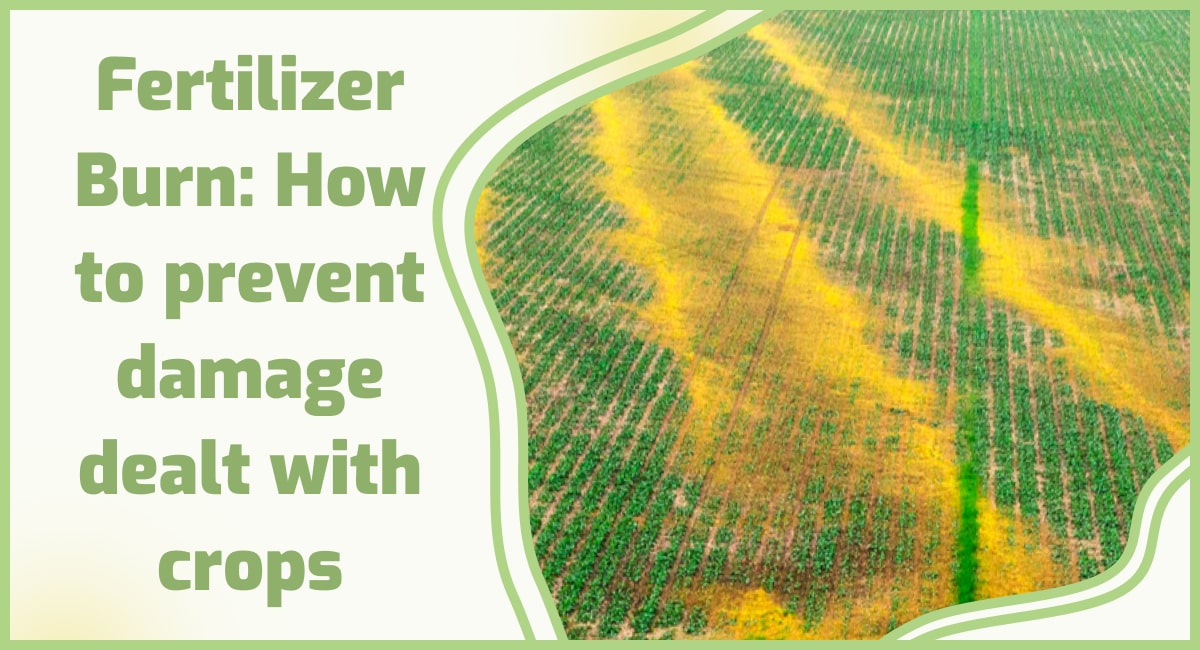
Fertilizer burn is a common issue that harms plants by causing leaf damage and stunted growth. It happens when too much fertilizer is applied or when fertilizers with high salt content are used incorrectly. This damage reduces the plant's ability to absorb water and nutrients effectively.
Understanding fertilizer burn helps gardeners protect plants and maintain healthy growth. Avoiding this problem saves time and money by preventing plant stress and loss. The right fertilizer use supports strong roots, vibrant leaves, and better yields.
Understanding Fertilizer Burn: Causes And Symptoms
Causes of fertilizer burn include:
Applying excessive fertilizer doses
Using fertilizers with high salt concentration
Fertilizing during hot, dry weather
Direct contact of fertilizer granules with plant leaves or stems
Symptoms of fertilizer burn appear quickly after application and include:
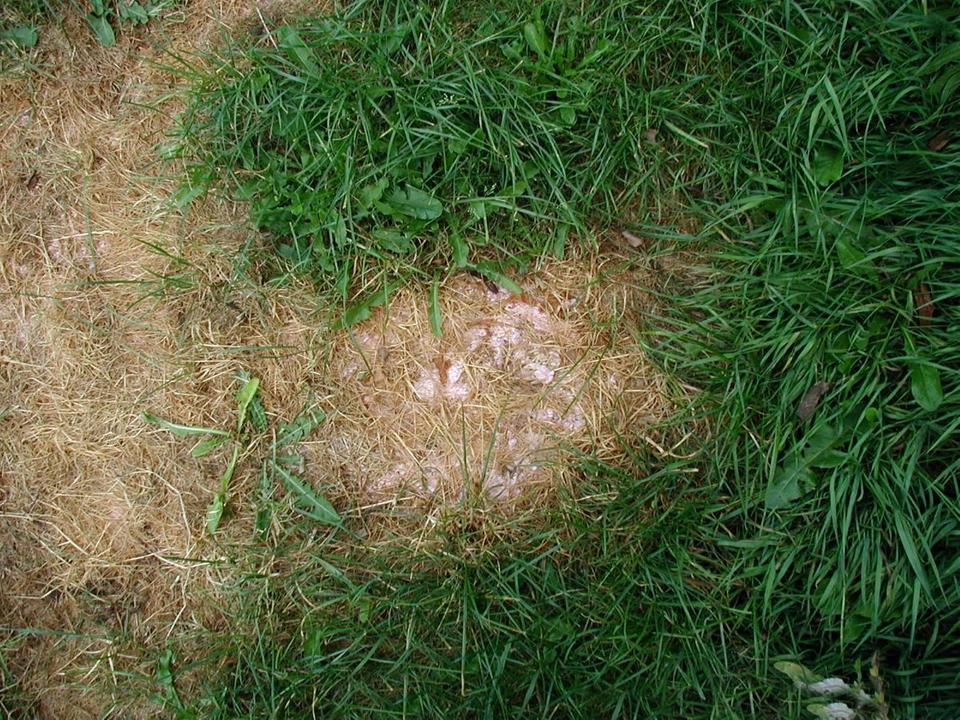
Brown or yellow leaf edges
Leaf curling or wilting
Dry, crispy leaf spots
Slowed plant growth and weak stems
Cause | Effect on Plant | Visible Symptom |
|---|---|---|
Excessive fertilizer dose | Root dehydration | Leaf scorch and browning |
High salt fertilizers | Osmotic stress | Leaf curling and drying |
Fertilizer on leaves | Direct tissue damage | Burn spots on leaves and stems |
Why Avoiding Fertilizer Burn Is Crucial For Plant Health
Fertilizer burn reduces plant vigor and crop yields. Damaged leaves cannot perform photosynthesis well, which lowers energy for growth.
Burned plants are more vulnerable to pests and diseases. Recovery takes time, delaying flowering and fruit production.
Protecting plants from fertilizer burn ensures:
Strong, healthy root systems
Efficient nutrient uptake
Better resistance to environmental stress
Higher quality harvests
Using tools like the No Burn Fertilizer Calculator helps apply the correct fertilizer amount. This prevents burn and promotes sustainable gardening.
Key Features Of Fertilizers That Influence Burn Risk
Fertilizer burn happens when plants get too much fertilizer or harsh chemicals. Some features of fertilizers raise this risk more than others. Understanding these features helps gardeners protect plants and keep soil healthy. Focus on nutrient types, release speed, and fertilizer source to avoid damage.
The Role Of Nutrient Concentration: How High Nitrogen Can Harm Plants
Nitrogen is vital for plant growth but too much causes burn. High nitrogen levels pull water from roots, making plants dry out. This leads to leaf yellowing, brown spots, and weak growth.
Watch for fertilizers with very high nitrogen content. Use them carefully and follow package instructions.
Nutrient | Effect of Excess | Signs of Burn |
|---|---|---|
Nitrogen | Draws water from roots | Leaf yellowing, brown edges |
Potassium | Salt buildup in soil | Root damage, slow growth |
Phosphorus | Rarely causes burn | Usually safe in high amounts |
Slow-release Fertilizers: Benefits In Preventing Burn
Slow-release fertilizers release nutrients gradually. This reduces the chance of nutrient overload and burn. Plants absorb nutrients over time, avoiding stress.
Provide steady nutrition for weeks
Lower risk of root damage
Reduce nutrient leaching into groundwater
Slow-release types suit new plants and sensitive species well. They also help maintain soil health by balancing nutrient levels.
Organic Fertilizers: Safe Alternatives To Synthetic Options
Organic fertilizers come from natural sources like compost and manure. They release nutrients slowly and improve soil structure.
These fertilizers pose less risk of burn because they contain fewer salts and harsh chemicals.
Improve soil moisture retention
Enhance beneficial soil microbes
Support long-term soil fertility
Use organic fertilizers regularly for a safe, eco-friendly approach to feeding plants.
Proven Tips To Prevent Fertilizer Burn Quickly
Fertilizer burn damages plants by causing leaf scorch and root harm. It happens when fertilizer is applied too much or incorrectly. Using the right methods stops this problem fast. These tips help your plants absorb nutrients safely and stay healthy.
Correct Application Rates: Avoiding Overfertilization
Applying fertilizer in the right amount is key to prevent burn. Excess fertilizer causes salt buildup, which dries out roots.
Measure carefully: Use tools like the No Burn Fertilizer Calculator to get exact rates.
Follow label instructions: Stick to recommended doses on fertilizer packages.
Split applications: Apply smaller amounts multiple times rather than one heavy dose.
Timing Your Fertilizer Application For Optimal Absorption
Timing affects how well plants use fertilizer and avoid burn.
Apply fertilizer when plants are actively growing, usually in spring or early fall.
Avoid fertilizing during drought or extreme heat; plants absorb nutrients poorly then.
Fertilize in the morning or late afternoon to reduce evaporation and stress.
Proper Watering Techniques To Minimize Burn Risk
Water helps dissolve fertilizer and carry nutrients to roots, preventing burn.
Water before fertilizing: Moist soil reduces fertilizer concentration.
Water right after application: Helps wash fertilizer into soil and away from leaves.
Avoid overwatering: Too much water can wash away nutrients or cause root rot.
Choosing The Right Fertilizer Type For Your Plant And Climate
Select fertilizer suited to your plant species and local weather.
Fertilizer Type | Best For | Climate Suitability | Burn Risk |
|---|---|---|---|
Slow-release | Most plants | Warm & cool climates | Low |
Liquid | Quick nutrient boost | Short growing seasons | Medium |
Granular | Lawns, large areas | Varies | High if overapplied |
Organic | Vegetables, herbs | All climates | Very low |
Use fertilizers with balanced nutrients and low salt index to reduce burn risk.
Credit: geopard.tech
Pricing And Affordability Breakdown Of Safe Fertilizer Options
Choosing the right fertilizer helps protect plants from burn damage. Safe fertilizers often cost more than conventional ones. Understanding pricing helps balance cost with plant health. Affordable options exist that reduce burn risk and improve garden growth.
Comparing Costs: Slow-release Vs. Conventional Fertilizers
Slow-release fertilizers usually cost more upfront but feed plants longer. They release nutrients gradually, lowering burn risk and reducing the need for frequent application.
Conventional fertilizers are cheaper initially but can cause burn if overused. They release nutrients quickly, which may stress plants and require repeated treatments.
Fertilizer Type | Average Price per Pound | Burn Risk | Application Frequency |
|---|---|---|---|
Slow-Release | $1.20 - $2.00 | Low | Once every 2-3 months |
Conventional | $0.50 - $1.00 | High | Monthly or more |
Value Of Investing In Organic And Burn-resistant Products
Organic fertilizers come from natural sources. They improve soil health and reduce burn risk significantly.
Burn-resistant fertilizers often contain additives or controlled nutrient release technology. These products protect roots and leaves from damage.
Though organic and burn-resistant options cost more, they:
Support long-term soil fertility
Reduce plant stress and damage
Lower overall fertilizer use
Save money on plant replacement
Budget-friendly Tips For Effective Fertilization Without Burn
Follow these tips to protect plants and save money:
Test soil before fertilizing to apply only needed nutrients.
Use the No Burn Fertilizer Calculator to find safe fertilizer amounts.
Apply fertilizers during cooler parts of the day to reduce stress.
Mix slow-release with conventional fertilizers to balance cost and safety.
Water plants well after fertilizing to prevent nutrient concentration.
These steps help prevent burn while keeping fertilization affordable and effective.
Pros And Cons Of Common Fertilizer Types Based On Real-world Use
Choosing the right fertilizer can protect plants from burn and improve growth. Each fertilizer type offers unique benefits and risks. Understanding these helps gardeners apply nutrients safely and effectively.
Synthetic Fertilizers: Fast Results Vs. Higher Burn Risk
Synthetic fertilizers provide nutrients quickly, leading to rapid plant growth. They often contain high nitrogen levels, which stimulate leaf and stem development.
Pros:
Fast nutrient release
Easy to measure and apply
Cost-effective for large areas
Cons:
Higher risk of fertilizer burn due to salt content
Can harm soil microbes
May cause nutrient runoff, polluting water
Plants need careful watering after application to reduce burn risks.
Organic Fertilizers: Safety And Soil Health Benefits
Organic fertilizers release nutrients slowly, improving soil health over time. They come from natural materials like compost, manure, and bone meal.
Pros:
Low risk of fertilizer burn
Enhance soil structure and microbial life
Support long-term plant health
Cons:
Slower nutrient availability
May have inconsistent nutrient levels
Require larger quantities for effect
Organic fertilizers suit gardeners focusing on sustainable growth and soil care.
Granular Vs. Liquid Fertilizers: Application Ease And Burn Potential
Fertilizer Type | Application Ease | Burn Potential | Notes |
|---|---|---|---|
Granular | Simple to spread, can be slow-release | Lower if properly watered | Good for lawns and large areas; water after application |
Liquid | Quick to apply, easy to target | Higher, especially if over-applied | Useful for foliar feeding and fast nutrient delivery |
Granular fertilizers need watering to reduce burn risk. Liquid fertilizers act faster but require precise dosing to avoid damage.
Specific Recommendations For Ideal Users And Scenarios
Fertilizer burn can damage plants and lawns, wasting time and resources. Different users need tailored advice to prevent burn. Understanding proper fertilizer use helps keep plants healthy and vibrant.
Best Practices For Home Gardeners To Avoid Fertilizer Burn
Home gardeners should follow simple steps to protect their plants from fertilizer burn. Use the No Burn Fertilizer Calculator to measure safe fertilizer amounts. Avoid over-application by spreading fertilizer evenly.
Apply fertilizer in small doses rather than all at once.
Water plants thoroughly after fertilizing to dilute salts.
Avoid fertilizing during hot, dry weather to reduce stress on plants.
Choose slow-release fertilizers for steady nutrient supply.
Check product instructions carefully for recommended rates.
Tips For Lawn Care Professionals Managing Large Areas
Lawn care experts must manage fertilizer carefully to cover large spaces without damage. Use calibrated spreaders and test soil nutrient levels regularly. The No Burn Fertilizer Calculator helps determine precise amounts based on area size.
Professional Tip | Reason |
|---|---|
Calibrate equipment before each use | Ensures even fertilizer distribution and avoids hot spots |
Apply fertilizer early morning or late evening | Reduces evaporation and plant stress |
Divide large areas into sections | Allows focused attention and prevents over-application |
Seasonal Fertilizing Advice: When And What To Apply
Fertilizer timing changes with seasons to match plant growth cycles. Late fall fertilizing supports root growth for winter survival, especially for cool-season grasses. Spring fertilizing boosts new growth, while summer requires caution to avoid burn.
Spring: Use balanced fertilizer with moderate nitrogen.
Summer: Apply light doses; avoid high nitrogen to prevent stress.
Fall: Use high-phosphorus fertilizer to strengthen roots.
Winter: Avoid fertilizing dormant plants unless specific needs exist.
Special Considerations For Sensitive Plants And Seedlings
Young plants and sensitive species need extra care to avoid fertilizer burn. Use diluted solutions and apply fertilizer less frequently. The No Burn Fertilizer Calculator can help set safe nutrient levels for delicate plants.
Start with half or quarter-strength fertilizer mixes.
Apply fertilizer only after seedlings develop true leaves.
Prefer organic or slow-release fertilizers for gentle feeding.
Avoid fertilizing dry soil; water first to reduce root damage risk.
Observe plants closely for signs of stress or burn.
How To Recover Plants Quickly From Fertilizer Burn
Fertilizer burn harms plants by damaging roots and leaves. Quick recovery saves your plants and restores growth. Follow key steps to identify damage and act fast. Proper care helps plants heal and thrive again.
Recognizing Early Signs And Immediate Actions To Take
Look for these early signs of fertilizer burn:
Yellow or brown leaf edges
Wilting or drooping leaves
Dry, crispy leaf tips
Slow growth or leaf drop
Once spotted, remove damaged leaves carefully. Avoid adding more fertilizer. Stop feeding until plants recover.
Move plants to a shaded area if possible. This reduces stress and helps recovery.
Watering Strategies To Flush Out Excess Fertilizer
Watering is critical to flush excess salts from soil. Follow this routine:
Water deeply but gently to avoid soil erosion
Use plain water; avoid fertilizer during this time
Repeat watering every 2-3 days for 1-2 weeks
This helps dilute and wash away harmful fertilizer buildup. Check soil moisture regularly to keep roots hydrated but not soggy.
Soil Amendments And Treatments To Restore Plant Health
Soil health improves plant recovery. Try these amendments:
Amendment | Purpose | How to Use |
|---|---|---|
Organic Compost | Adds nutrients and improves soil structure | Mix 1-2 inches into topsoil around plants |
Gypsum | Reduces soil salt levels and improves drainage | Apply according to package instructions, usually 1-2 lbs per 100 sq ft |
Activated Charcoal | Absorbs toxins and improves soil aeration | Mix small amounts into soil near roots |
After treatment, avoid fertilizing for several weeks. Use gentle, balanced feeds later to support growth.
Credit: www.wikilawn.com
Conclusion: Protecting Your Plants From Fertilizer Burn For Long-term Success
Fertilizer burn damages plants and slows growth. Protecting plants ensures healthy, vibrant gardens over time. Understanding how to avoid this problem helps gardeners achieve lasting success. Using the right methods and tools keeps plants safe and thriving.
Summary Of Key Prevention Strategies
Use the correct fertilizer amount. Overapplication causes burn.
Apply fertilizer evenly. Uneven spread leads to damaged spots.
Water plants properly after fertilizing. This helps nutrients absorb and reduces salt buildup.
Choose fertilizers suited to your plant type. Some plants need gentler formulas.
Test soil regularly. Know nutrient levels to avoid excess feeding.
Use tools like the No Burn Fertilizer Calculator. It helps measure the safest fertilizer dose.
Encouragement To Adopt Safe Fertilizing Habits
Safe fertilizing habits protect plants and save time. Start with small doses and watch plant response. Always follow label instructions carefully. Using the No Burn Fertilizer Calculator guides you to apply the right amount every time.
Healthy plants grow stronger and resist pests. Avoiding fertilizer burn means fewer setbacks and more growth. Make safe fertilizing a regular part of your gardening routine. Your plants will thank you with lush leaves and vibrant blooms for years to come.
Frequently Asked Questions
Is October Too Late To Fertilize?
October is not too late to fertilize. Apply slow-release fertilizer before the ground freezes. It strengthens roots and aids winter survival. Stop fertilizing once grass growth stops or soil hardens. This timing helps your lawn bounce back quickly in spring.
What Is The Best Fertilizer That Won't Burn?
The best fertilizer that won't burn is a slow-release, organic or balanced formula. It releases nutrients gradually, protecting plants.
How Long Does It Take For Fertilizer Burn To Go Away?
Fertilizer burn usually heals within 1 to 3 weeks. Watering and proper lawn care speed recovery. Avoid reapplying fertilizer too soon.
Can You Reverse Fertilizer Burn?
Yes, you can reverse fertilizer burn by flushing the soil with water to dilute excess salts. Trim damaged leaves to promote new growth.
Conclusion
Avoiding fertilizer burn keeps your plants healthy and growing strong. Use the right amount of fertilizer for your soil type. Test your soil regularly to know what nutrients it needs. Water plants well after applying fertilizer to prevent damage. Consider using tools like the No Burn Fertilizer Calculator to apply fertilizer safely. Small steps protect your garden and save your plants from harm. Start smart fertilizing today for a lush, green lawn tomorrow.